
Cross-Platform Mobile App — Case Study
The Challenge
A UK marketplace startup had strong web traction but was losing mobile-first users who expected native app experiences — push notifications, offline browsing, and fast checkout. Building separate iOS and Android teams was not viable on their runway, yet hybrid wrappers had failed them before with janky scrolling and unreliable camera access for seller listings.
Their product required real-time inventory sync, image uploads from device cameras, geolocation for local discovery, and deep linking from marketing campaigns. Firebase was already in their stack for auth, but the mobile layer needed a unified codebase, App Store compliance, and performance that matched user expectations set by category leaders.
The founder needed one engineering partner to ship both platforms in parallel, handle store submissions, and integrate with their existing REST API without rewriting the backend.
The Solution
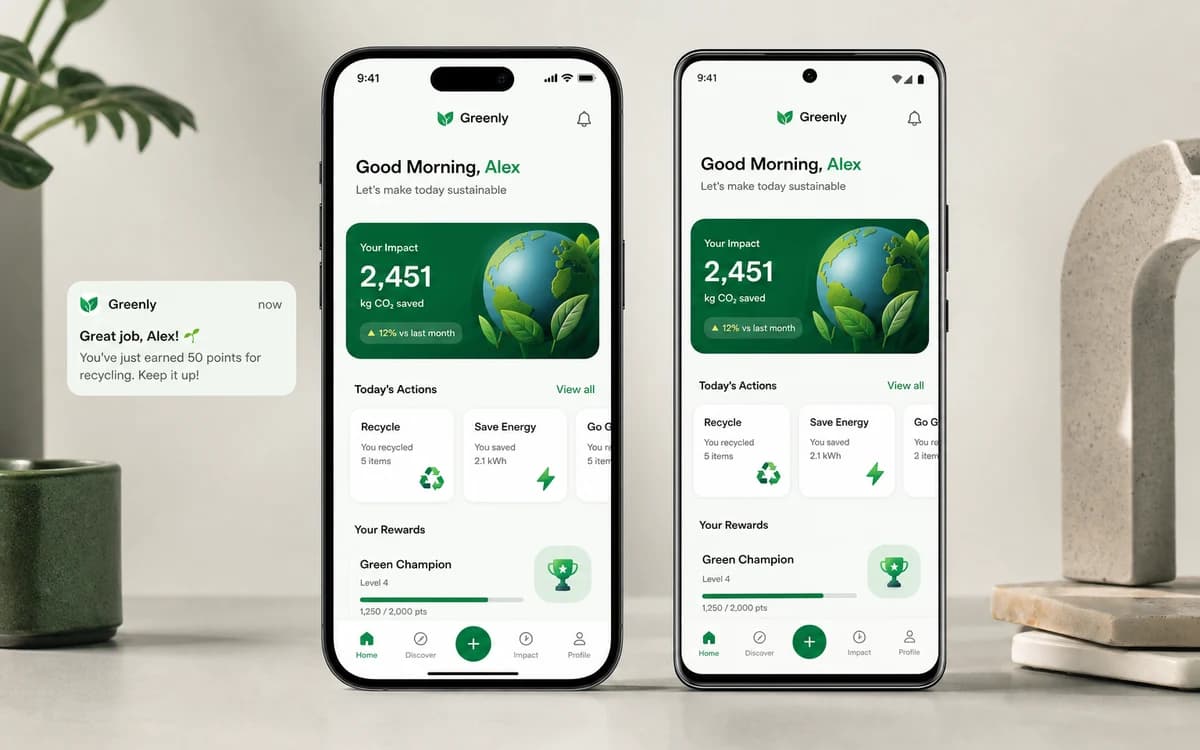
Xeverse built a cross-platform mobile app with React Native and Expo, sharing business logic across iOS and Android while delivering platform-native navigation patterns and haptic feedback where it matters.
We implemented offline-first catalog browsing with AsyncStorage caching so users in low-connectivity areas can still browse saved listings. Image uploads use compressed multipart requests with retry logic and progress indicators. Push notifications via Firebase Cloud Messaging drive re-engagement for saved searches and order updates.
The app integrates with their existing REST API through a typed client layer with request interceptors for auth tokens and automatic refresh. Deep linking supports campaign URLs that open specific product screens — critical for paid acquisition attribution.
We followed platform guidelines for App Store and Google Play submissions: privacy nutrition labels, permission rationale copy, and screenshot assets. Beta distribution ran through TestFlight and internal testing tracks before public launch.
Performance optimization included lazy-loaded screens, image CDN integration, and skeleton loaders for perceived speed. Crash reporting and analytics hooks give the team visibility into funnel drop-off and device-specific issues.
Both apps launched within ten weeks from kickoff, with a shared release pipeline for over-the-air JavaScript updates between native store releases.
“They shipped both iOS and Android in one codebase without compromising on UX. Mobile conversion climbed within weeks of launch — finally the native experience our users had been asking for.”
Related Services
Build something similar
Tell us about your product — we reply within 24 hours.